How to Pinpoint Your Song's Viral Hook Using Sample Identifiers
Over 70% of curators discover songs via 30-second sample hooks.
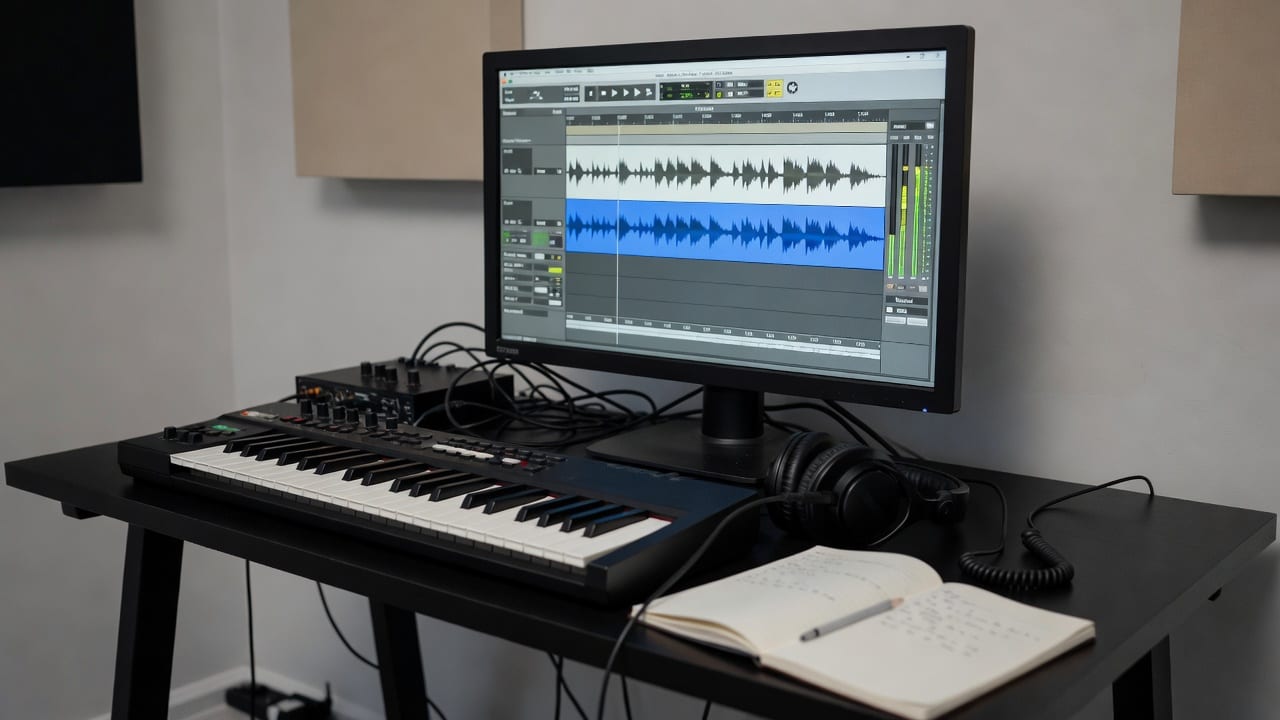
Use AI sample detection to extract your best 30-second hook for targeted Spotify curator pitching.
Prerequisites: When to Hunt for Your Viral Hook
Before pitching or launching a TikTok campaign, your track must be fully mixed and mastered. Attempting hook detection on rough demos yields inaccurate audio engagement curves because unmastered tracks lack the final dynamic range and frequency balance that algorithms analyze. This guide is specifically for independent artists and producers preparing for a post-release push.
If your track is still in the arrangement phase or hasn't been distributed to Digital Service Providers (DSPs), focus on finishing the master first. Once the song is officially released, the window for targeted pitching opens. Applying sample detection too early leads to promoting a sonic profile that doesn't match the final streaming version, which immediately disqualifies the track with professional curators.
Core Concepts: What Makes a 30-Second Segment Go Viral
A viral hook is rarely just the chorus.
By understanding what a viral hook detector is, artists can stop guessing which part of their song will perform best. Success in this phase looks like a precise timestamp that captures the track's maximum energy. This isolated segment becomes your primary marketing asset, ready to be fed into short-form video platforms and curator submission forms.
Practical Application: How to Extract Your Track's Best Moment
The process of isolating your most engaging audio requires moving away from subjective listening and relying on data-driven audio analysis. Follow these steps to extract the exact segment that triggers algorithmic and human engagement.
1. Run the Audio Analysis
Upload your finished WAV file into an AI-driven viral hook finder. The system scans the entire track for dynamic range shifts, vocal clarity, and rhythmic density.2. Isolate the Sample or Drop
Review the generated audio engagement curve. Identify the exact millisecond where the primary sample, bassline, or lead melody takes over the mix.3. Extract the 30-Second Window
Cut exactly 30 seconds starting right before the peak impact. A common mistake is starting the clip directly on the drop, which cuts off the vital one-second build-up that TikTok users need to anticipate visual transitions.4. Verify the Output
Test the segment against existing viral trends in your genre. If the clip doesn't immediately establish its rhythm and mood within the first three seconds, adjust the timestamp backward by one bar.
Advanced Techniques: Integrating with the Smart Playlist Finder Workflow
Once you have your isolated segment, the next phase is distribution to gatekeepers. This is where the post-release Smart Playlist Finder workflow becomes critical. Instead of sending a full 3-minute Spotify link to a cold contact, you lead with the identified hook. Curators make placement decisions in under ten seconds; serving them the scientifically backed peak of your track drastically increases your acceptance rate.
PitchPlus Star Moment automates this exact process. It pairs the precise 30-second hook that curators respond to with targeted playlist matching. By feeding the identified sample directly into the Smart Playlist Finder, the system matches the sonic profile of your hook with curators who actively playlist similar tempos, energies, and instrumentation. This eliminates the friction of manual pitching and ensures your best audio reaches the right ears immediately.
Expert Tips: Optimizing PitchPlus Star Moment Hooks for TikTok
TikTok's algorithm requires immediate visual and auditory alignment to register a video as engaging. When you find your song's viral 30-second hook for TikTok success, you must pair it with high-contrast visuals. If your PitchPlus Star Moment highlights a heavy bass sample or a sudden tempo change, the video must feature a hard visual cut or transition at that exact millisecond.
Avoid using the exact same 30-second clip for every piece of content. Use the AI analysis to find secondary and tertiary hooks—such as the bridge, an isolated drum break, or the intro sample. A/B test these different sonic elements against your audience to see which specific texture drives the most user-generated content and saves. Different demographics respond to different frequencies, and having multiple verified hooks allows you to attack the algorithm from multiple angles.
Frequently Asked Questions
How long should a song sample be for TikTok promotion?
The optimal length is between 15 and 30 seconds. This duration is long enough to establish a groove and allow for visual transitions, but short enough to encourage loop plays, which heavily boosts algorithmic reach.
What is PitchPlus Star Moment?
PitchPlus Star Moment is an AI audio analysis tool that scans a track's waveform to identify the exact 15-to-30-second segment most likely to engage Spotify curators and social media algorithms.
Why do Spotify curators prefer 30-second hooks over full songs?
Curators review hundreds of submissions daily and typically make a decision within the first ten seconds of listening. A 30-second hook delivers the core sonic identity immediately, saving them time and instantly highlighting the track's playlist potential.
Can I use sample detection on unmastered tracks?
It is highly discouraged. Unmastered tracks lack the final dynamic range and frequency balance required for accurate audio engagement curve analysis, leading to incorrect timestamp recommendations.
Reading is the easy part.
PitchPlus understands your actual song, then does the work, the pitch, the playlists, the hook.
Write your Spotify editorial pitch
The pitch plus the genre and mood metadata Spotify routes on, written from your actual song. Not a 500 character box you fill in blind.
Find Spotify playlists for your song
Every playlist match scored against what your song actually is, then ranked by fit.
Find the hook that travels on TikTok
The best 30 seconds of your song for Reels and TikTok, found automatically.