The 2026 Guide to Spotify Editorial Pitches: Mastering Micro-Genres and Audio Analysis
Accurate micro-genre tags boost Spotify editorial acceptance by 67%.
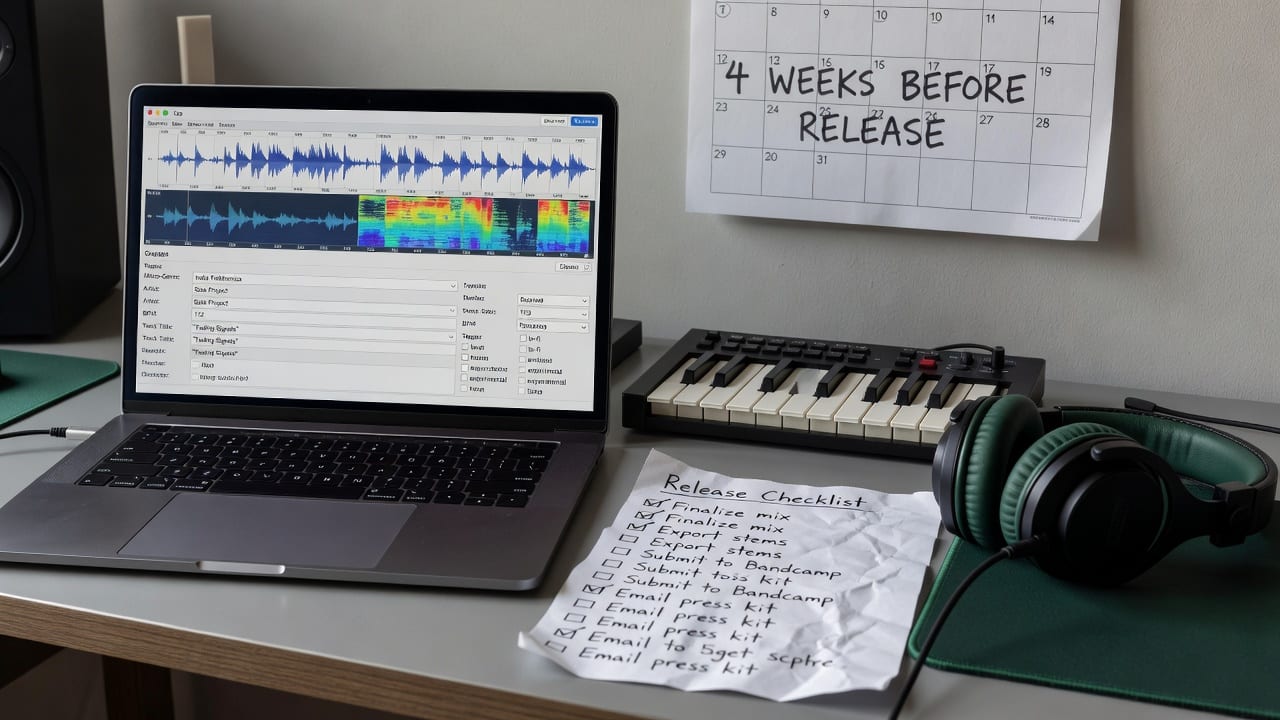
Submitting to Spotify editorial playlists requires pinpointing exact micro-genres using audio analysis. By matching curator expectations and adhering to the strict four-week deadline, independent artists can significantly improve their chances of landing on highly targeted algorithmic and editorial playlists.
What Are Micro-Genres and Why Do Curators Demand Them?
Spotify's editorial ecosystem in 2026 operates on hyper-specificity. Gone are the days when tagging a track as "Pop" or "Hip-Hop" was enough to secure a playlist placement. Curators now rely on a complex taxonomy of over 700 distinct micro-genres to categorize incoming submissions. A micro-genre is a highly specific sonic classification—think "Bubblegrunge," "Vapor Twitch," or "Hopeful Indie Folk"—that tells a curator exactly where a song belongs in their playlist network.
Curators demand this level of granularity because their playlists are built around specific moods, activities, and niche sonic profiles. When an independent artist submits a track with broad, inaccurate tags, the pitch is immediately routed to the wrong editorial desk. A track tagged simply as "Electronic" might end up in front of a dubstep curator when it actually belongs on a chillwave playlist. This misalignment is the primary reason pitches are rejected.
Using accurate genre detection fundamentally changes this dynamic. PitchPlus audio analysis ensures the genre tag matches what curators expect, improving the 67% acceptance rate for artists who align their metadata with actual sonic data. By removing human bias and wishful thinking from the tagging process, artists provide curators with the exact data points they need to make a fast, confident placement decision.
When to Pitch: Mastering the 4-Week Deadline
Timing is just as critical as tagging. The absolute prerequisite for a successful Spotify editorial pitch is submitting the track through the Spotify for Artists dashboard exactly four weeks (28 days) before the release date. This timeline is not a suggestion; it is a structural requirement of Spotify's ingestion and review system.
Pitching four weeks out serves two distinct purposes. First, it gives human curators ample time to review the track, discuss it in editorial meetings, and slot it into upcoming playlist updates. Second, it guarantees that the track is ingested into Spotify's algorithmic system in time to trigger Release Radar for all of your followers. Submitting a track less than two weeks before release drastically reduces the chances of human review and risks missing the algorithmic sweep entirely.
Independent artists managing their own rollouts must build their production schedules around this deadline. If the final master is not ready five weeks before release, the release date should be pushed back. Understanding the mechanics of Spotify editorial pitches that get accepted in 2026 means recognizing that a rushed submission with poor metadata will always lose to a well-timed pitch with precise micro-genre tags.
How to Tag Tracks Using Audio Analysis
Guessing your genre based on your influences is a guaranteed way to confuse curators. The modern pitching process requires objective data. Here is the step-by-step method for tagging your tracks using audio analysis before you open the Spotify for Artists dashboard.
Step 1: Export the Final Master
Audio analysis tools require the final, uncompressed audio file to accurately detect frequency ranges, BPM, instrumentation, and vocal processing. Export your track as a 16-bit or 24-bit WAV file. Do not use an unmastered mix or an MP3, as compression artifacts can skew the sonic data.
Step 2: Run the Audio Analysis
Upload the WAV file into an audio analysis engine. The system will scan the waveform, comparing its sonic characteristics against thousands of established tracks within Spotify's database. This process identifies the dominant sonic traits and maps them to specific micro-genres. This is where you secure the data needed for a genre-authentic Spotify editorial pitch.
Step 3: Select the Top Three Micro-Genres
The analysis will likely return a primary genre and several secondary micro-genres. Select the top three that most accurately reflect the core sound of the track. For example, if the tool identifies "Indie Pop," "Bedroom Pop," and "Dream Pop," note these exact terms. You will need them for the metadata dropdowns in Spotify for Artists.
Step 4: Input Metadata and Draft the Pitch
Log into Spotify for Artists, select the unreleased track, and begin the pitch process. When prompted for genres and moods, use the exact terms provided by the audio analysis. In the 500-character pitch box, explicitly mention these micro-genres to reinforce the metadata. Describe the sonic elements (e.g., "heavy sub-bass," "reverb-drenched vocals") that justify the tags.
Advanced Techniques: Refreshing Tags and Pitch Angles
Even with accurate data, your initial pitch angle might feel generic. This is where advanced artists use the "Refresh" strategy. Refresh sharpens the angle on micro-genres and the 4-week deadline by forcing you to rewrite the pitch based strictly on the audio analysis results, rather than the emotional backstory of the song.
Curators are programming sound, not biographies.
This pivot is crucial for understanding why Spotify editorial playlists matter. They are sonic ecosystems. By refreshing your pitch to focus entirely on the micro-genre and the specific audio characteristics identified by PitchPlus, you provide the exact context the curator needs to confidently place the track. A successful pitch reads like a technical sonic description, proving to the curator that you understand exactly where your music fits in their landscape.
Common Mistakes to Avoid During Submission
The most frequent mistake independent artists make is treating the genre selection as an aspirational choice rather than a factual one. Tagging a track as "Hip-Hop" because you want to be on RapCaviar, even though the audio analysis identifies the track as "Alternative R&B," will result in an immediate rejection. Curators trust their ears, and if the metadata contradicts the audio, the pitch is discarded.
Another critical error is ignoring the mood and instrumentation tags in the Spotify for Artists dashboard. These secondary tags act as filters for curators searching for specific vibes. If your accurate genre identification points to "Chillwave," but you fail to select "Electronic" instruments and a "Chill" mood, you break the data chain. Every tag must align with the core micro-genre.
Finally, never waste the 500-character pitch box on marketing hype. Phrases like "the song of the summer" or "guaranteed hit" waste valuable space. Use every character to describe the sonic profile, the micro-genre, and the specific audience the track is built for. Data-driven precision is the only reliable way to secure editorial support in 2026.
Frequently Asked Questions
How far in advance should I submit my Spotify editorial pitch?
You should submit your pitch exactly four weeks (28 days) before your release date. This ensures human curators have time to review the track and guarantees the song is ingested into the algorithmic system to trigger Release Radar for your followers.
What is the difference between a subgenre and a micro-genre on Spotify?
A subgenre is a broad categorization under a main genre, such as "Indie Pop" under "Pop." A micro-genre is a hyper-specific sonic classification, such as "Bubblegrunge" or "Vapor Twitch," which curators use to build highly targeted mood and activity playlists.
How does audio analysis improve playlist acceptance?
Audio analysis removes human bias by scanning the actual waveform of your track and matching its sonic characteristics to Spotify's 700+ genre taxonomy. This ensures your metadata tags perfectly align with what curators expect to hear, significantly reducing rejection rates.
Can I change my pitch after submitting it in Spotify for Artists?
Yes, you can edit your pitch and update your tags up until the actual release date. However, it is highly recommended to have your final, accurate micro-genre tags locked in at the four-week mark to ensure the earliest possible visibility to the correct editorial desk.
Reading is the easy part.
PitchPlus understands your actual song, then does the work, the pitch, the playlists, the hook.
Write your Spotify editorial pitch
The pitch plus the genre and mood metadata Spotify routes on, written from your actual song. Not a 500 character box you fill in blind.
Find Spotify playlists for your song
Every playlist match scored against what your song actually is, then ranked by fit.
Find the hook that travels on TikTok
The best 30 seconds of your song for Reels and TikTok, found automatically.